
BMW M engines are built for high rpm, sharp throttle response, and performance driving. But in certain BMW M and performance engines, rod bearing wear is a known concern that should not be ignored.
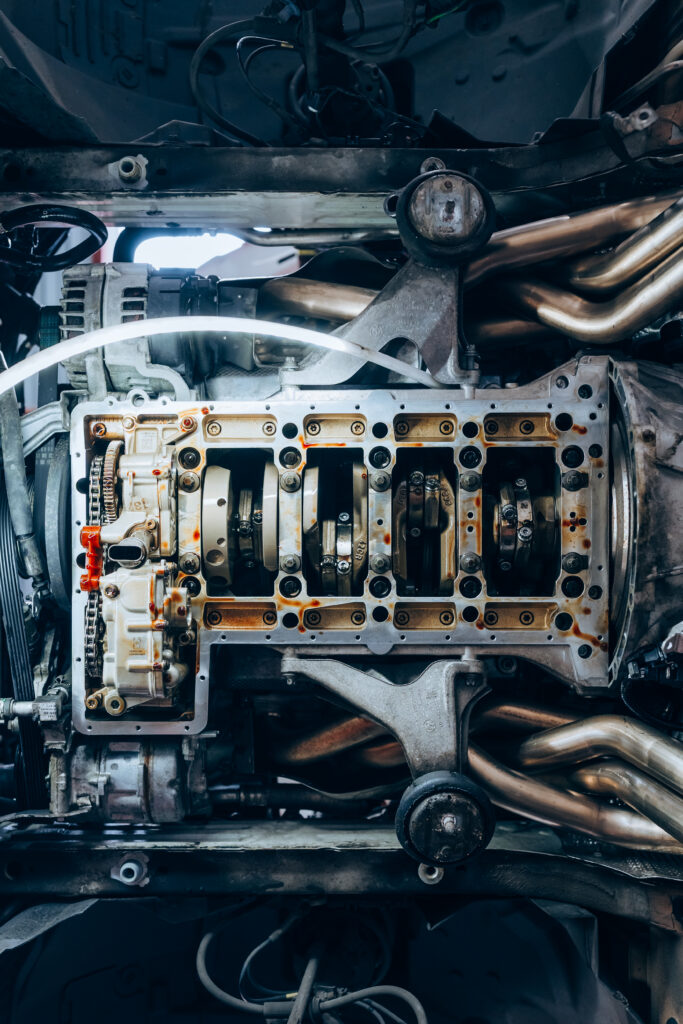
Rod bearings are small internal engine components, but their role is critical. They sit between the connecting rods and crankshaft, helping support smooth rotation under load. When rod bearings wear excessively, the engine can develop knocking sounds, low oil pressure concerns, metal contamination, or severe internal engine damage.
For many BMW M owners, rod bearing replacement is considered preventive maintenance, especially on higher-mileage cars, track-driven vehicles, or engines with known bearing wear history.
At CG Motorsports in Richmond, BC, we help BMW owners understand when rod bearing service should be considered and why proper installation matters.
Why Rod Bearings Matter on BMW M Engines
BMW M engines are designed to rev higher and work harder than standard engines. This creates more heat, load, and stress inside the engine, especially during spirited driving, track use, or repeated high-rpm operation.
BMW rod bearing inspection and replacement is a specialized BMW engine repair service that helps prevent crankshaft damage and catastrophic engine failure in high-performance BMW M engines.
Rod bearings help protect the crankshaft and connecting rods. When they wear down, the clearance between internal components can change. If the issue continues, the bearing material can break down, and metal particles may enter the oil system.
Not every engine will have the same risk, and not every car needs immediate rod bearing service. Mileage, maintenance history, oil quality, driving style, track use, and previous ownership all matter.
Rod bearing wear may be a concern on certain BMW engines, including:
- S54
- S65
- S85
- S63
- N55 performance applications
- Other BMW M or high-output engines depending on use and history
Signs of Possible Rod Bearing Wear
Rod bearing wear can be difficult to detect early because symptoms may be subtle. In some cases, the vehicle may still drive normally until the issue becomes more serious.
Possible warning signs include:
- Engine knocking noise
- Ticking or tapping from the lower engine
- Low oil pressure warning
- Metal particles in engine oil
- Unusual noise during cold start
- Noise that changes with rpm
- Poor oil analysis results
- History of hard driving or track use
A loud knocking sound from the bottom end of the engine should be taken seriously. Continued driving can increase the risk of crankshaft damage or complete engine failure.
Preventive Rod Bearing Replacement
For some BMW M owners, rod bearing replacement is done before major symptoms appear. This is especially common with higher-mileage performance vehicles or cars that are driven aggressively.
Preventive rod bearing service may be considered if:
- The engine is known for bearing wear concerns
- The vehicle has higher mileage
- The car is used for track days
- The previous service history is unknown
- Oil analysis shows metal contamination
- There are early engine noise concerns
- The owner wants added peace of mind
Preventive replacement is not about guessing. It is about assessing the vehicle’s risk based on engine type, mileage, usage, service records, and inspection findings.
Why Proper Installation Is Critical
Rod bearing replacement is internal engine work. It requires the correct parts, proper clearances, clean assembly, accurate torque procedures, and attention to detail.
This is not the type of repair that should be rushed. Incorrect installation can create new engine problems, even if the original issue was being addressed preventively.
A proper rod bearing service may include:
- Vehicle inspection
- Engine oil inspection
- Removal of required lower engine components
- Inspection of old bearing condition
- Crankshaft journal inspection
- Replacement of rod bearings
- Replacement of related hardware where required
- Correct torque and clearance procedures
- Fresh oil and filter
- Post-service inspection and road test
The condition of the removed bearings can also provide useful information about how the engine has been wearing.
Oil, Maintenance, and Driving Style
Rod bearing health is affected by more than mileage alone. Oil quality, oil change intervals, warm-up habits, driving style, and engine load all play a role.
BMW M engines should be properly warmed before aggressive driving. High rpm before the oil reaches operating temperature can increase wear. Frequent oil changes with the correct oil are also important, especially for cars that see track use or short-trip city driving.
For performance-driven BMWs, regular inspection and oil analysis can help identify potential concerns before they become expensive failures and lead to major engine repair work.
Which BMW Models May Need Rod Bearing Attention?
Rod bearing discussions are common among owners of certain BMW M models, including vehicles equipped with engines such as the S54, S65, S85, S63, and some N55 performance applications.
This may include models such as:
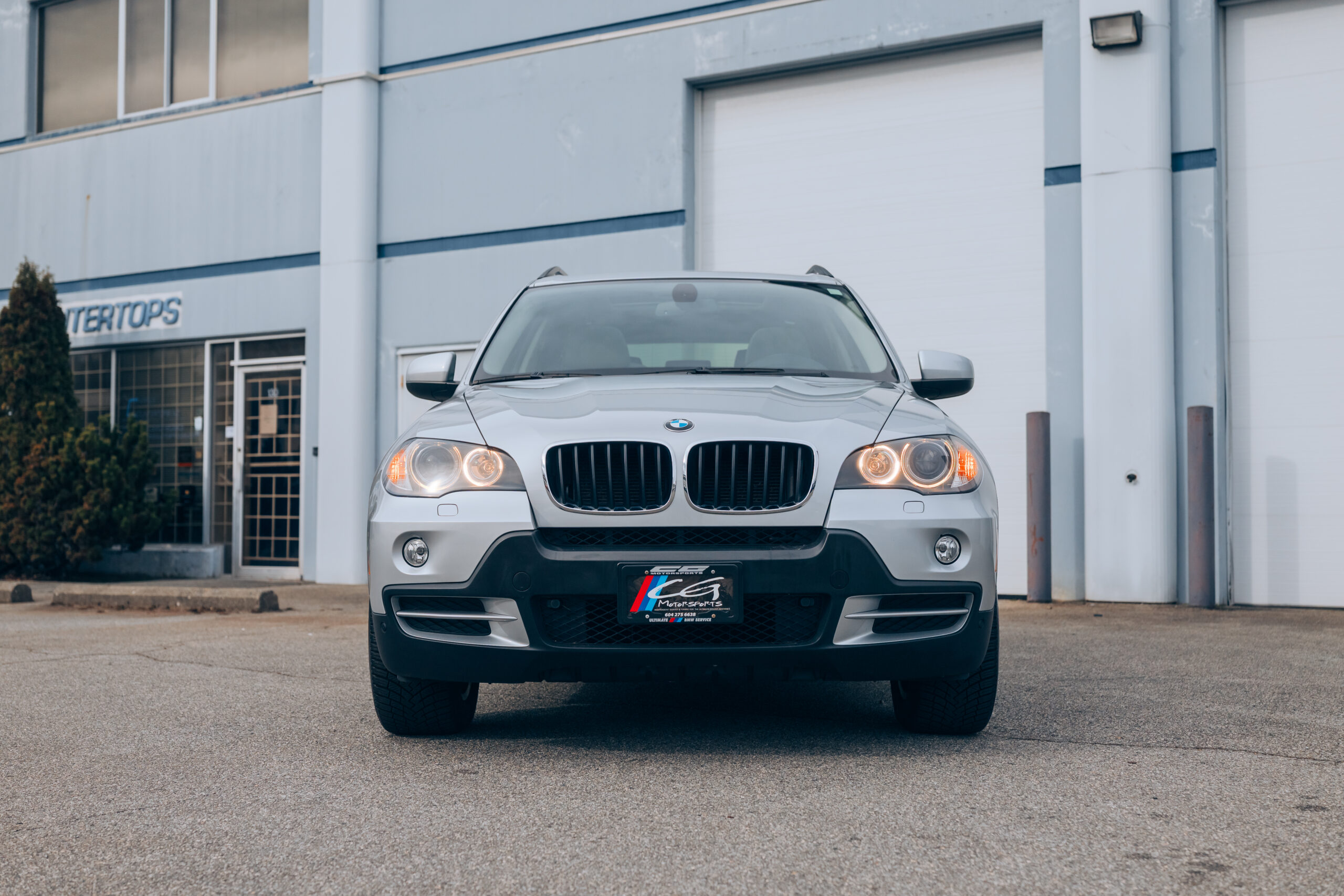
▪️BMW M3 ▪️BMW M5 ▪️BMW M6 ▪️BMW Z4 M ▪️BMW M2 ▪️BMW X5 and X6 M ▪️Other BMW M or performance models
When to Book a Rod Bearing Inspection
You should consider booking an inspection if:
▪️Your BMW M engine has a knocking sound ▪️You see a low oil pressure warning ▪️Oil analysis shows metal content ▪️The vehicle has higher mileage ▪️The car is track-driven ▪️The service history is unknown ▪️You recently purchased a used BMW M vehicle ▪️You want preventive engine protection
If there is already engine noise, avoid aggressive driving until the vehicle is inspected.
BMW Rod Bearing Replacement FAQs
Rod bearings sit between the connecting rods and crankshaft inside the engine. Their job is to create a smooth, protected surface between moving metal components while the crankshaft rotates. In high-performance BMW M engines, rod bearings deal with significant load, heat, oil pressure demand, and high-rpm stress.
BMW M engines are designed for performance, especially under higher rpm and spirited driving. When rod bearings are healthy, they help maintain proper internal clearance and oil protection. When they begin to wear, that clearance can change, which may reduce protection between the connecting rod and crankshaft. If ignored, this can lead to metal contamination, crankshaft damage, or major engine failure.
Rod bearing replacement is commonly discussed for BMW M engines such as the S54, S65, S85, and S63, as well as some performance-driven N55 applications. The need for service depends on the specific engine, mileage, maintenance history, oil change intervals, driving style, track use, and previous ownership.
Possible signs include knocking from the lower engine, ticking or tapping that changes with rpm, low oil pressure warnings, metallic material in the oil, poor oil analysis results, or unusual engine noise during cold start or acceleration.
Some vehicles may show very few symptoms before the issue becomes serious, which is why preventive inspection is important on certain BMW M engines.
If a rod bearing fails, the connecting rod and crankshaft can lose proper protection. This can create engine knock, metal debris in the oil system, crankshaft scoring, low oil pressure, bearing spin, or complete internal engine failure. In severe cases, the engine may require a major rebuild or replacement.
If a rod bearing fails, the connecting rod and crankshaft can lose proper protection. This can create engine knock, metal debris in the oil system, crankshaft scoring, low oil pressure, bearing spin, or complete internal engine failure. In severe cases, the engine may require a major rebuild or replacement.
Not reliably. Engine noises can come from different areas, including the valve train, timing components, accessories, exhaust, or lower engine. Rod bearing concerns may require a combination of inspection, oil analysis, service history review, fault checks, and professional evaluation before recommending repair.
Oil analysis can be helpful because it may show elevated metal content that suggests internal wear. However, it is not a perfect diagnosis by itself. It should be used together with engine inspection, maintenance history, mileage, driving habits, and any noise or oil pressure concerns.
Rod bearing service may be worth considering if the vehicle has higher mileage, has been tracked or driven aggressively, has unknown maintenance history, shows metal in the oil, has lower-engine noise, or belongs to an engine family known for bearing wear concerns. It is also common to inspect or replace bearings preventively when purchasing a used BMW M car.
Yes. CG Motorsports provides BMW M engine service, diagnostics, and rod bearing replacement in Richmond, BC. Because this is internal engine work, proper inspection, parts selection, clearance awareness, installation procedure, and post-service checks are critical.
Looking for BMW Rod Bearing Replacement in Richmond, BC?
CG Motorsports provides BMW repair, diagnostics, performance service, and rod bearing replacement for BMW M and performance vehicles in Richmond, BC.
If you own a BMW performance model and are concerned about rod bearing wear, book an inspection before the issue becomes more serious.
📍 BMW M3, M5, M6, M2, Z4 M, X5 M, X6 M specialists in Richmond, BC
🛡️ Dealer-level BMW service, diagnostics, and performance upgrades
🚗 Honest diagnostics — no unnecessary repairs
📞 Call CG Motorsports (604) 275-6638 to book your BMW service today.