
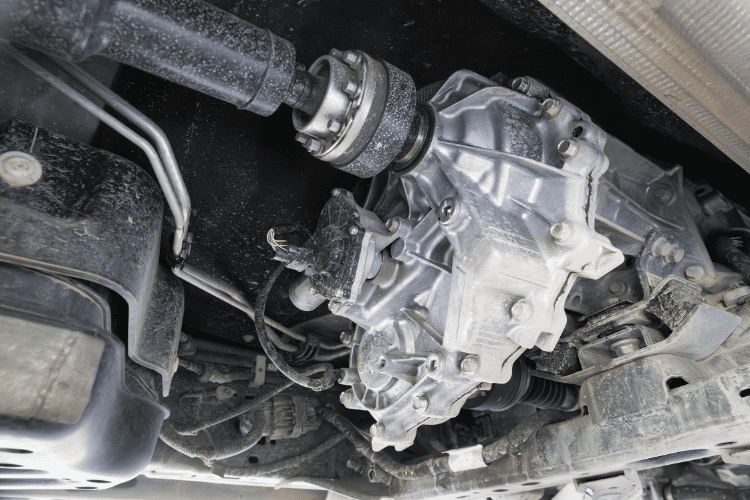
BMW xDrive gives many BMW models better traction, stability, and confidence in wet weather, snow, cornering, and daily driving. To do this, the system uses a transfer case to help distribute power between the front and rear wheels.
When the transfer case or related drivetrain components begin to wear, the vehicle may feel jerky, vibrate, bind during turns, or show a drivetrain malfunction warning. These symptoms should not be ignored, especially on BMW xDrive vehicles where the transfer case works closely with the transmission, driveshafts, axles, differentials, tires, and electronic control systems.
At CG Motorsports in Richmond, BC, we diagnose BMW xDrive and transfer case concerns carefully before recommending repair.
What Does the BMW xDrive Transfer Case Do?
The transfer case is part of the all-wheel-drive system. Its job is to help send engine power to the front and rear wheels depending on traction, driving conditions, wheel speed, throttle input, and system demand.
On a properly working BMW xDrive vehicle, power delivery should feel smooth and controlled. You should not feel heavy binding, harsh shuddering, repeated clunking, or uneven pulling during normal driving.
When the transfer case begins to have problems, the symptoms can sometimes feel like transmission issues, differential issues, tire problems, or axle concerns. That is why proper diagnosis matters.
Common BMW xDrive Transfer Case Symptoms
BMW transfer case issues can show up in different ways depending on the model, mileage, fluid condition, driving style, and related drivetrain wear.
Common symptoms include:
- Shuddering or vibration
- Binding when turning
- Drivetrain malfunction warning
- Clicking or clunking sounds
- Uneven power delivery
- Transfer case fault codes
- Noise during acceleration
- Jerking at low speed
- Vibration under load
- Warning lights related to AWD or stability control
A common complaint is that the vehicle feels like it is fighting itself during tight turns, parking lot manoeuvres, or low-speed driving. Some owners may also notice vibration during acceleration or a clunk when power is applied.
Why Transfer Case Problems Need Proper Diagnosis
Transfer case symptoms should not be diagnosed by guesswork. Several other issues can feel very similar.
Possible related causes may include:
- Mismatched tires
- Uneven tire wear
- Incorrect tire sizes
- Low or contaminated transfer case fluid
- Front or rear differential concerns
- Worn axles or CV joints
- Driveshaft issues
- Transmission-related concerns
- Engine or transmission mount wear
- Transfer case actuator faults
- Internal transfer case wear
Tires are especially important on BMW xDrive vehicles. If the tire sizes, tread depths, or rolling diameters are not matched properly, the xDrive system can experience extra stress. This may cause binding, vibration, or premature wear in the drivetrain.
Before replacing expensive parts, the full system should be checked.
Transfer Case Fluid and Maintenance
Transfer case fluid plays an important role in lubrication, cooling, and smooth operation. Over time, fluid can break down, become contaminated, or lose its ability to protect internal components.
Old or contaminated fluid may contribute to:
A proper rod bearing service may include:
- Shuddering
- Harsh engagement
- Noise
- Clutch wear
- Poor power transfer
- Internal drivetrain stress
In some cases, servicing the transfer case fluid may help if the issue is caught early. In other cases, fluid service alone may not correct the problem if there is already internal wear or mechanical damage.
A proper inspection can help determine whether maintenance, repair, adaptation reset, actuator service, or transfer case replacement should be considered.
Oil, Maintenance, and Driving Style
Rod bearing health is affected by more than mileage alone. Oil quality, oil change intervals, warm-up habits, driving style, and engine load all play a role.
BMW M engines should be properly warmed before aggressive driving. High rpm before the oil reaches operating temperature can increase wear. Frequent oil changes with the correct oil are also important, especially for cars that see track use or short-trip city driving.
For performance-driven BMWs, regular inspection and oil analysis can help identify potential concerns before they become expensive failures and lead to major engine repair work.
BMW Models That May Have xDrive Transfer Case Concerns
Transfer case concerns can appear on many BMW xDrive models, especially as mileage increases or if the vehicle has been driven with mismatched tires.
This may include:

▪️BMW 3 Series xDrive ▪️BMW 4 Series xDrive ▪️BMW 5 Series xDrive ▪️BMW 7 Series xDrive ▪️BMW X1, X3, X5, and X6 ▪️BMW M Performance xDrive models ▪️BMW diesel and turbocharged xDrive vehicles
The exact repair approach depends on the model, drivetrain layout, transfer case type, fault codes, fluid condition, and road test findings.
What We Check During a BMW xDrive Diagnosis
A BMW xDrive inspection may include both electronic and mechanical checks.
The diagnostic process may involve:
▪️Scanning for BMW-specific fault codes ▪️Reviewing transfer case adaptation values ▪️Checking tire size and tread depth ▪️Inspecting transfer case fluid condition ▪️Checking for leaks ▪️Road testing under different conditions ▪️Inspecting driveshafts and axles ▪️Checking differential noise or leaks ▪️Inspecting mounts and drivetrain movement ▪️Confirming whether the issue is mechanical or electronic
The goal is to find the source of the problem, not just replace the most obvious part. A drivetrain vibration can come from the transfer case, but it can also come from tires, driveshafts, axles, wheel bearings, or other worn components.
When to Book BMW Transfer Case Repair
You should book a BMW xDrive inspection if you notice:
▪️Shuddering during acceleration ▪️Binding during tight turns ▪️Drivetrain malfunction warning ▪️Clunking from under the vehicle ▪️Uneven power delivery ▪️Vibration at low or highway speed ▪️Transfer case fault codes ▪️AWD or stability control warnings ▪️Noise after replacing tires ▪️Jerking in parking lots or slow turns
You should also have the vehicle inspected after buying a used BMW xDrive if the service history is unknown or the tires are mismatched.
BMW xDrive Transfer Case FAQs
The transfer case is a key part of the BMW xDrive all-wheel-drive system. It helps distribute power between the front and rear wheels so the vehicle can maintain traction, stability, and smooth power delivery. When it is working properly, the system should feel controlled and seamless during normal driving.
Common symptoms include shuddering, vibration, binding during turns, clunking noises, drivetrain malfunction warnings, uneven power delivery, transfer case fault codes, and jerking at low speeds. Some drivers notice the issue most during parking lot turns, acceleration, or when the vehicle is under load.
Binding or jerking during tight turns can happen when the xDrive system is not allowing the front and rear wheels to rotate smoothly together. This may be caused by transfer case wear, old transfer case fluid, actuator issues, mismatched tires, uneven tread depth, or drivetrain component wear.
Yes. BMW xDrive vehicles are sensitive to tire size, tread depth, and rolling diameter. If one or more tires are mismatched or worn unevenly, the transfer case may work harder than normal. Over time, this can contribute to drivetrain stress, vibration, binding, or premature transfer case wear.
Yes. Transfer case problems can feel like rough shifting, hesitation, vibration, or drivetrain jerking. Because the transfer case works with the transmission, driveshafts, axles, differentials, and tires, it's important to perform a proper diagnosis before assuming the transmission is the cause.
Transfer case fluid helps lubricate and protect internal components. Over time, the fluid can break down or become contaminated. Old fluid may contribute to shuddering, noise, harsh engagement, or wear. Depending on the condition of the vehicle, transfer case fluid service may be part of the repair or maintenance plan.
No. Some issues may be caused by fluid condition, tire mismatch, actuator faults, adaptation values, worn axles, driveshaft problems, differential concerns, or mounts. A proper BMW-specific diagnostic process helps determine whether the transfer case needs service, repair, or replacement.
It depends on the symptom. If the vehicle has a drivetrain malfunction warning, loud clunking, severe vibration, binding, or grinding noise, it is best to stop driving aggressively and book an inspection. Continuing to drive may increase wear on the transfer case, tires, axles, driveshafts, or differentials.
Before replacement, the vehicle should be checked for BMW-specific fault codes, tire size and tread depth, transfer case fluid condition, actuator operation, drivetrain leaks, driveshaft and axle wear, differential noise, mounts, and road-test behaviour. This helps avoid replacing the transfer case when the issue is coming from another part of the drivetrain.
Yes. CG Motorsports provides BMW xDrive diagnostics and transfer case repair in Richmond, BC. Our team can inspect transfer case faults, drivetrain vibration, binding during turns, fluid condition, tire-related concerns, and related components before recommending the correct repair.
Looking for BMW xDrive Transfer Case Repair in Richmond, BC?
CG Motorsports provides BMW diagnostics, drivetrain service, and xDrive transfer case repair in Richmond, BC.
If your BMW xDrive vehicle is shuddering, binding during turns, vibrating, showing drivetrain warnings, or making clunking noises, book an inspection before the issue becomes more serious.
🛡️ Dealer-level BMW service, diagnostics, and performance upgrades
🚗 Honest diagnostics — no unnecessary repairs
📞 Call CG Motorsports (604) 275-6638 to book your BMW service today.